7 Hardwood Flooring Mistakes to Avoid
Hardwood flooring can add warmth, character, and lasting value to your home. When properly selected, installed, and maintained, quality hardwood floors can look beautiful for decades.
But there are also some common hardwood flooring mistakes that can lead to damaged floors, unnecessary repairs, or a finished floor that simply doesn’t look the way you expected.
Whether you’re choosing new hardwood flooring or taking care of floors already in your home, here are seven hardwood flooring mistakes to avoid.
1. Choosing Hardwood Flooring Based on Color Alone
One of the most common hardwood flooring mistakes is choosing a floor based only on stain color.
Color matters, but there is much more to consider.
Different wood species have different grain patterns, hardness, and natural characteristics. Plank width, finish, and natural variation also affect how a hardwood floor looks once it covers an entire room.
Before choosing hardwood flooring, consider:
- The size and style of the room
- Cabinets and furniture
- Wall colors
- Natural and artificial lighting
- Wood species and grain
- Plank width
- Finish and stain color
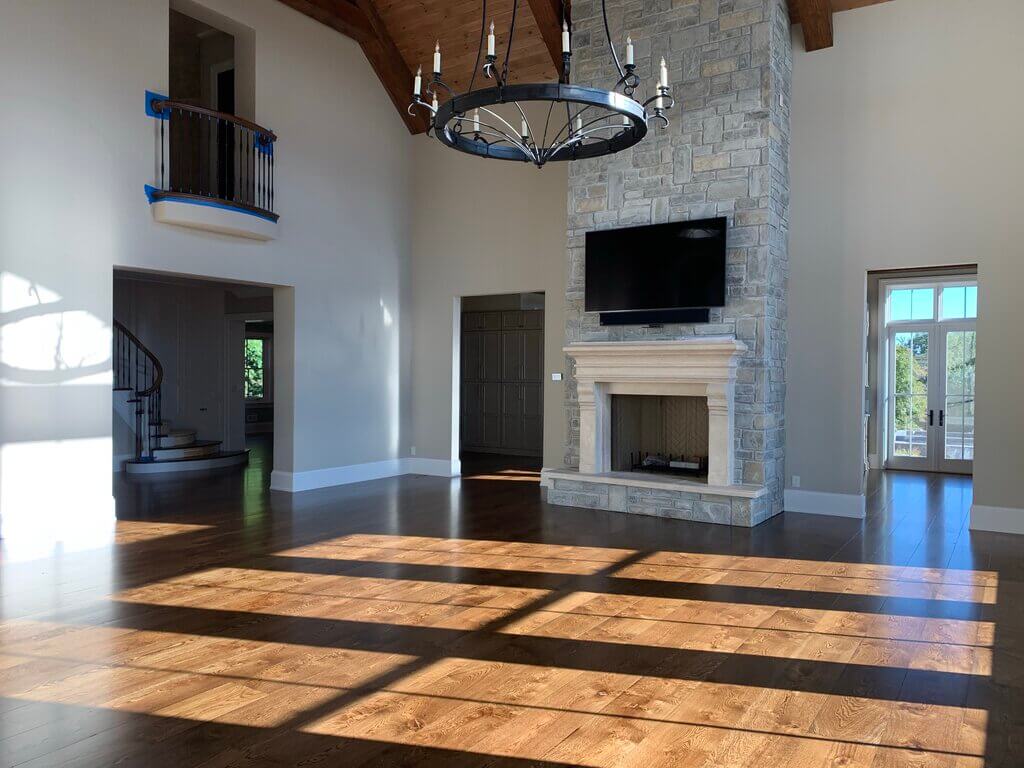
A small flooring sample can look very different once that same wood is installed throughout a large space.
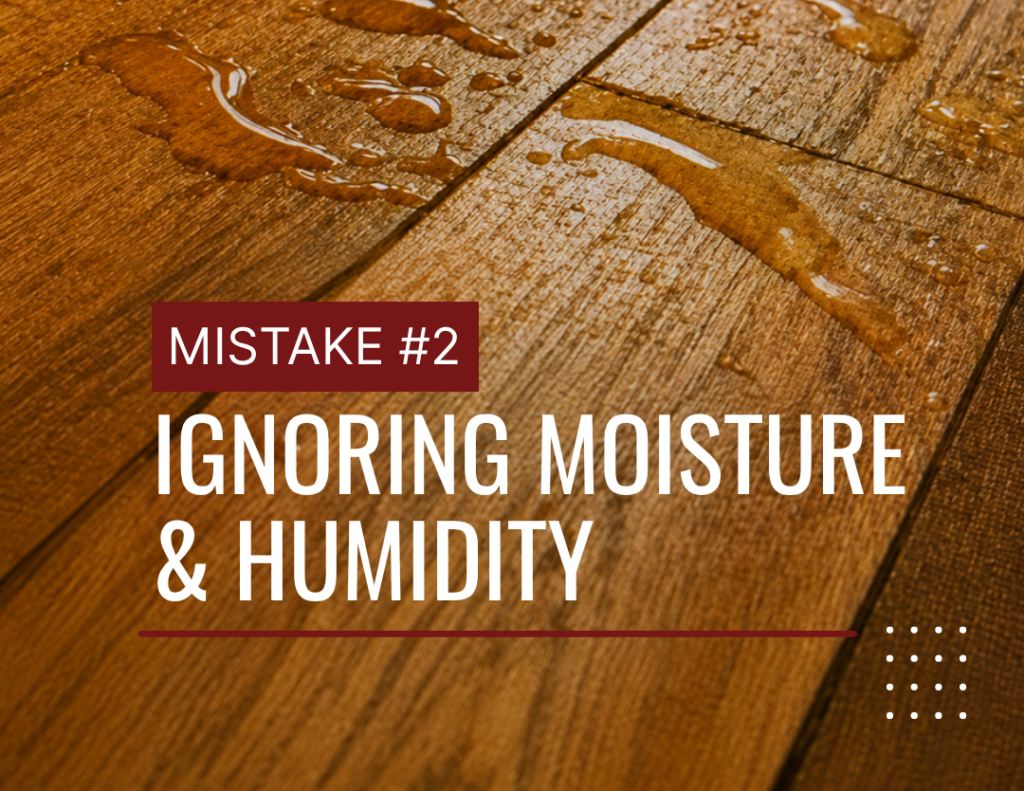
2. Ignoring Moisture and Humidity
Wood is a natural material, which means it responds to changes in moisture and humidity.
Ignoring those conditions is one of the hardwood flooring mistakes that can lead to problems after installation.
Hardwood can expand and contract as conditions inside the home change. Improper preparation or moisture issues may contribute to gaps, cupping, buckling, or other flooring problems.
Before hardwood flooring installation, the condition of the subfloor, hardwood, and home environment should be considered.
Proper preparation is an important part of a successful hardwood floor installation.
3. Choosing Hardwood Floors That Don't Fit Your Lifestyle
Your hardwood flooring should work with the way you actually use your home.
Homes with pets, children, or heavy foot traffic may have different needs than homes with less daily activity.
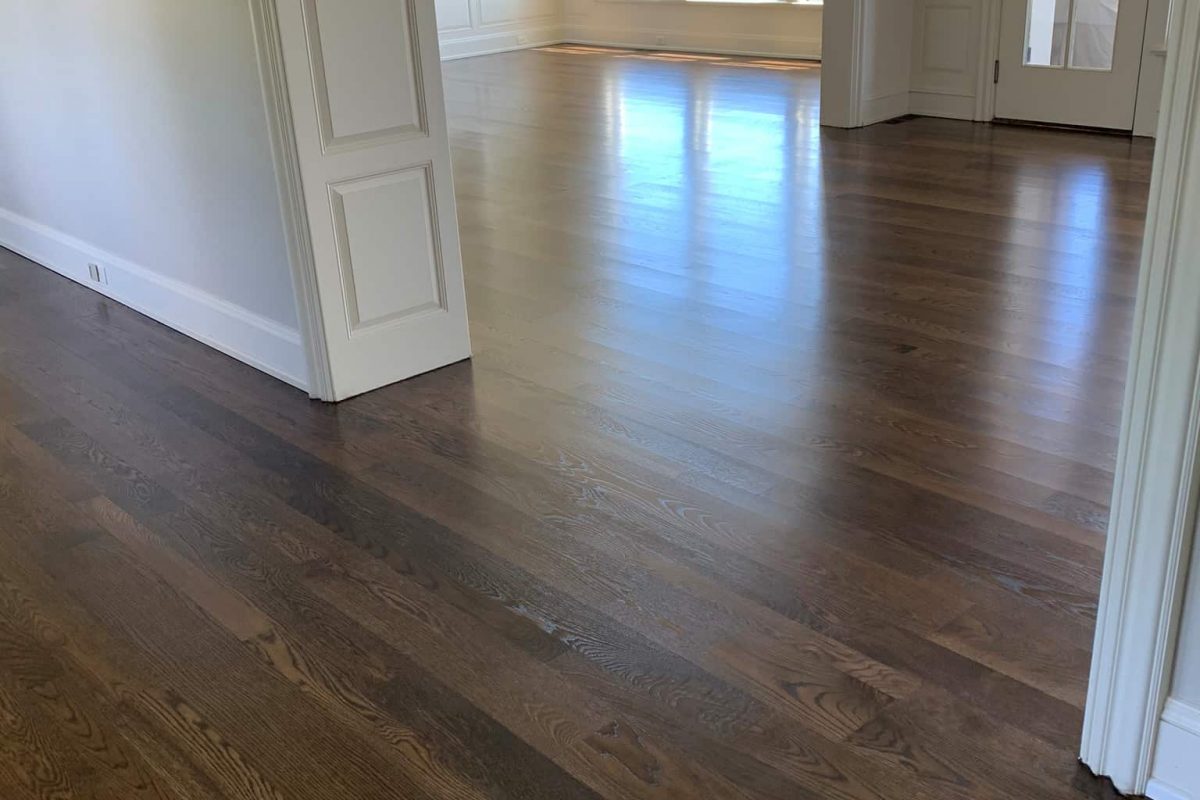
For example, very dark hardwood floors can make dust, pet hair, and small scratches easier to see. Floors with natural grain and color variation can sometimes be more forgiving.
When choosing hardwood floors, think beyond appearance. The right wood, stain, and finish should give you the look you want while still being practical for your household.
4. Choosing the Wrong Hardwood Plank Width
Wide plank and narrow plank hardwood can create very different looks.
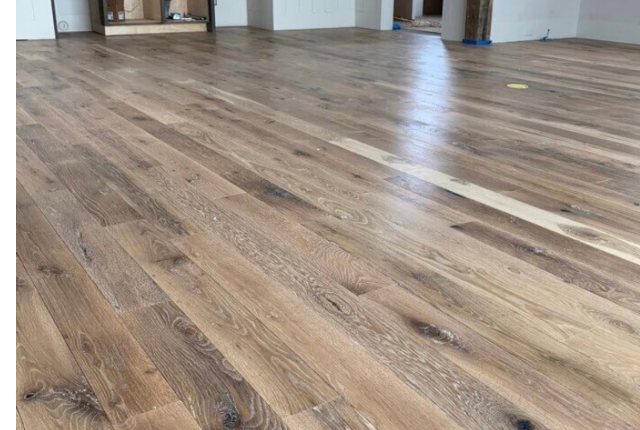
Wide plank hardwood flooring can showcase more of the natural grain and character of the wood while creating a more open appearance. Narrower planks provide a different visual pattern and may complement certain homes or design styles better.
There isn’t one plank width that works for every home.
Room size, layout, wood species, and your overall design style should all be considered when choosing hardwood flooring.
The right combination of wood species, plank width, stain, and finish can completely change the finished look of a room.
5. Using the Wrong Products to Clean Hardwood Floors
Even beautifully installed hardwood floors can be damaged by improper care.
Using too much water, harsh cleaning products, steam cleaners, or products that leave wax and residue behind can affect the finish and appearance of your floors.
Good hardwood floor maintenance doesn’t have to be complicated.
Regularly remove dirt and grit that can scratch the surface, clean spills promptly, and use cleaning products recommended for your specific hardwood floor finish.
Proper hardwood floor care can help protect the finish and keep your floors looking beautiful longer.
6. Waiting Too Long to Refinish Hardwood Floors
Scratches, dull areas, worn finish, and an outdated stain color don’t always mean you need new flooring.
In many cases, hardwood floor refinishing can give existing floors a completely refreshed appearance.
Professional sanding and refinishing can remove the old finish and allow the hardwood to be restored with a new finish or stain.
The key is not waiting until the protective finish has completely worn away and the wood itself has suffered significant damage.
If your floors are looking tired or worn, having them evaluated for hardwood floor refinishing may help you restore the hardwood you already have.
7. Assuming Damaged Hardwood Floors Have to Be Replaced
Another common hardwood flooring mistake is assuming that damage means the entire floor needs to be replaced.
That isn’t always the case.
Depending on the type and extent of the damage, hardwood floor repair may be possible. Individual boards or damaged sections can sometimes be repaired or replaced.
Existing hardwood may then be sanded, stained, and refinished to help the repaired area blend with the surrounding flooring.
A hardwood flooring professional can evaluate the condition of your floor and determine whether hardwood floor repair, refinishing, or replacement is the best option.
Avoid Hardwood Flooring Mistakes With the Right Planning
Many common hardwood flooring mistakes can be avoided by making the right decisions before installation and properly caring for your floors afterward.
Choosing the right wood and plank width, paying attention to moisture, using appropriate cleaning products, and addressing damage early can all help protect your investment.
And when existing hardwood starts looking worn, don’t automatically assume replacement is your only option. Hardwood floor repair and refinishing may be able to bring your floors back to life.
If you’re considering hardwood flooring in Knoxville, TN, Auten Wideplank Flooring can help with new hardwood flooring, hardwood floor repair, sanding, and refinishing.
Contact Auten Wideplank Flooring to discuss your hardwood flooring project in Knoxville or the surrounding East Tennessee area.