Choosing the Best Wood for Your Custom Hardwood Staircase
A staircase is more than a functional part of your home. It connects living spaces, contributes to your interior design, and can become a beautiful architectural feature. When designed with natural hardwood, a staircase brings warmth, character, and craftsmanship into your home.
But choosing the right wood for custom stairs involves more than selecting your favorite color. Each hardwood species offers its own combination of grain patterns, durability, texture, and overall appearance.
Whether you’re updating an existing staircase or planning a completely new design, understanding your options can help you create stairs that look beautiful and stand up to everyday use.
What Makes a Hardwood Ideal for Stairs?
Before exploring different wood species, it’s important to consider how your staircase will be used.
Unlike many other areas of your home, stair treads experience concentrated foot traffic. That makes durability an important factor, especially in busy households.
Wood hardness can influence how well a staircase resists dents and everyday wear. However, hardness isn’t the only consideration. Proper installation, quality finishing, and regular maintenance also contribute to long-term performance.
Appearance plays an equally important role. Some homeowners prefer subtle wood grain and consistent coloring, while others love natural variation and bold patterns.
Your existing hardwood floors, surrounding trim, and interior design should also influence your decision.
The goal is to choose a wood species that balances practical performance with the style you want to achieve.
Oak: Timeless Beauty and Everyday Durability
Oak remains one of the most versatile hardwood choices for custom staircases. Its natural strength, attractive grain, and wide range of finishing possibilities make it suitable for everything from traditional interiors to contemporary homes.
White Oak
White oak is especially popular for homeowners who appreciate a refined, natural appearance. Its grain patterns tend to be more subtle than red oak, and its neutral undertones work beautifully with light, natural, and medium-toned finishes.
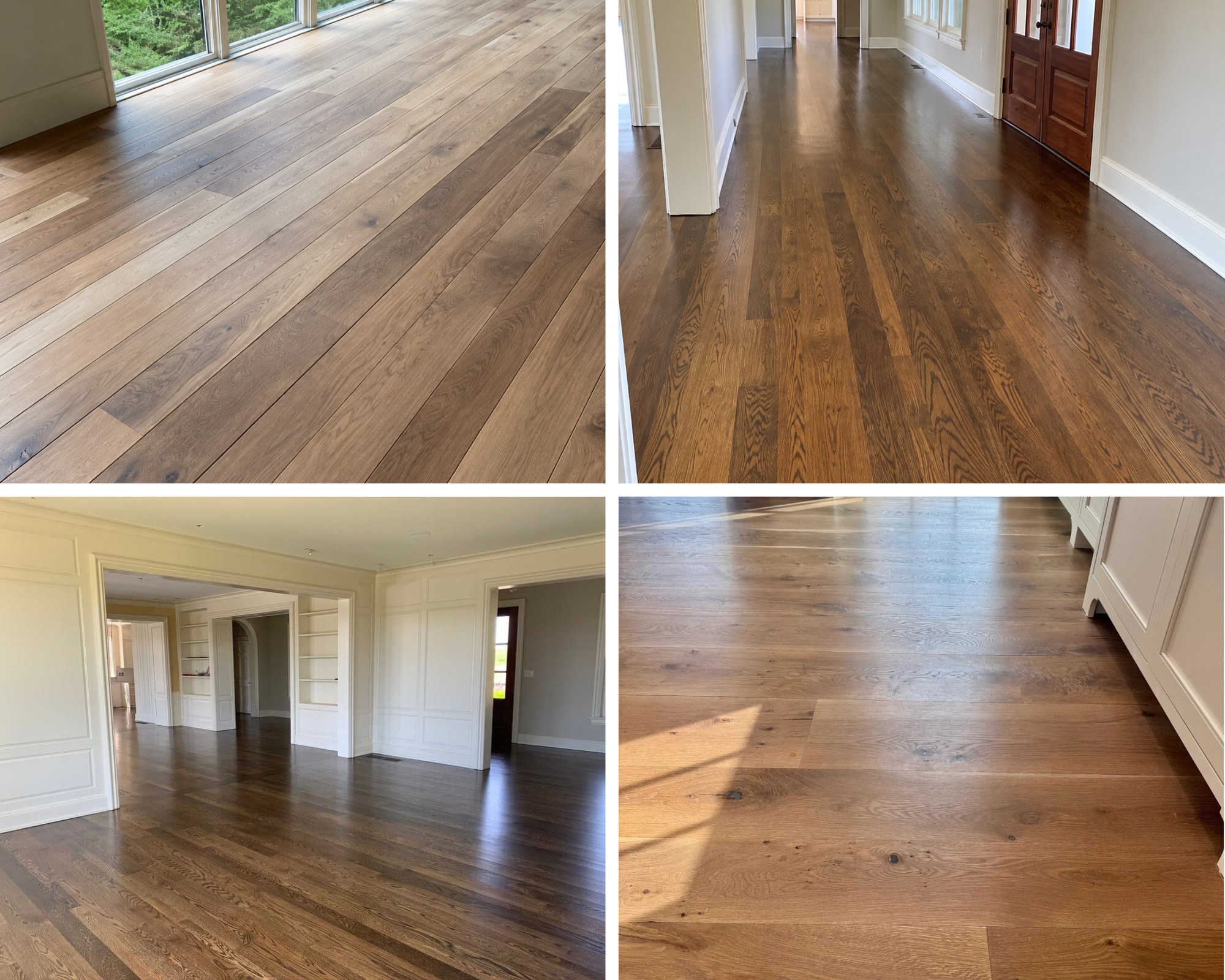
White oak stair treads can complement wide-plank hardwood flooring, creating a coordinated design that feels both modern and timeless.
Red Oak
Red oak features more pronounced grain patterns and naturally warm undertones. It offers a classic hardwood appearance and can be finished in a variety of colors to suit different design preferences.
Both types of oak provide excellent options for staircases that need to combine durability, style, and long-term appeal.
Maple: Clean Lines and Subtle Elegance
For homeowners who prefer a smoother, more uniform appearance, maple is worth considering.
Maple has a fine, understated grain that creates a clean look without drawing too much attention to the wood’s natural patterns. Its light coloring works particularly well in spaces with simple architectural details and contemporary finishes.
Beyond appearance, hard maple offers good resistance to everyday wear, making it a practical option for stair treads.
One important consideration is staining. Because maple has a dense, tight grain, certain stains can absorb unevenly. Choosing an appropriate finishing process is essential for achieving the desired result.
Maple is an attractive choice when you want your staircase to feel polished, understated, and naturally elegant.
Hickory: Distinctive Character and Exceptional Strength
If you love hardwood with personality, hickory delivers plenty of it.
Known for its impressive hardness, hickory is one of the toughest commonly used domestic hardwood species. This makes it appealing for staircases in active homes where durability is a priority.
Its appearance is equally distinctive.
Hickory often features dramatic variations in color, with lighter cream tones appearing alongside deeper brown shades. Strong grain patterns give each piece a unique character.
This natural variation makes hickory especially attractive in rustic, farmhouse, and mountain-inspired interiors.
For homeowners who appreciate the organic beauty of wood and want a staircase with a bold, authentic appearance, hickory can be an excellent choice.
Walnut: Rich Color and Sophisticated Style
Few hardwood species offer the dramatic elegance of American black walnut.
With its deep chocolate-brown coloring and flowing grain patterns, walnut creates a luxurious appearance that can turn an ordinary staircase into a standout design feature.
Walnut works beautifully in contemporary interiors, particularly when paired with lighter walls, neutral flooring, or contrasting architectural elements.
It can also be used for custom handrails, newel posts, and other staircase details to introduce rich natural color.
However, walnut is softer than oak, maple, and hickory. While it can perform well in residential settings, homeowners should consider the potential for dents and wear in heavily used stairways.
For projects where distinctive color and refined appearance are the main priorities, walnut offers exceptional visual appeal.
Cherry: Warmth That Becomes More Beautiful Over Time
Cherry hardwood brings a softer, warmer character to custom staircase designs.
Its smooth texture, fine grain, and reddish-brown undertones create an inviting appearance that complements traditional and transitional interiors.
One of cherry’s most recognizable characteristics is the way its color changes naturally with exposure to light. Over time, the wood typically develops a deeper, richer tone.
This gradual transformation adds character, making cherry particularly appealing to homeowners who appreciate the evolving beauty of natural materials.
Like walnut, cherry is softer than some other popular stair woods, so it may show wear more readily in high-traffic areas.
Still, its warmth and classic appearance make it a beautiful option for custom staircase projects.
Creating a Seamless Look Between Your Floors and Stairs
Choosing a hardwood species is only one part of designing a beautiful staircase.
The relationship between your stairs and surrounding hardwood floors can significantly influence how your home feels.
For a unified appearance, many homeowners choose coordinating wood species and finishes. This creates a natural visual connection between rooms and levels.
Others prefer contrast.
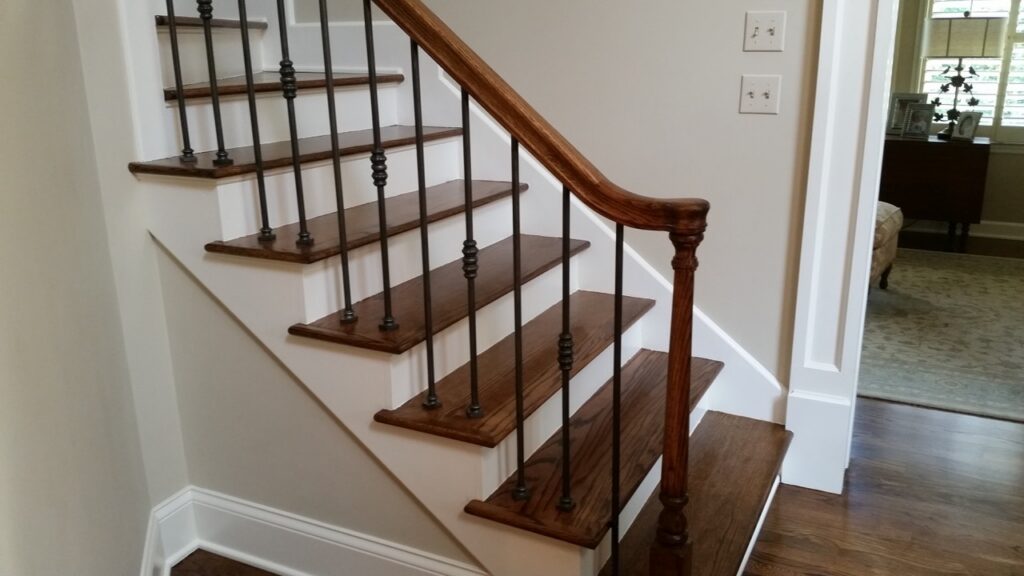
Dark stair treads paired with lighter flooring can create a striking architectural feature. Natural hardwood treads combined with painted risers offer another timeless design option.
The details matter, too.
Handrails, balusters, newel posts, trim, and transitions should complement the overall design. Thoughtful coordination helps the staircase feel like an intentional part of your home rather than a separate element.
Working with experienced hardwood professionals can make it easier to bring these details together into one cohesive design.
Which Hardwood Is the Best Choice for Your Home?
There isn’t one perfect hardwood species for every staircase.
Oak offers a versatile balance of durability and timeless style. Maple provides a clean, subtle appearance. Hickory stands out for its strength and natural variation, while walnut and cherry bring distinctive color and elegance.
The best choice depends on your home’s design, the amount of daily use your staircase receives, your maintenance preferences, and the appearance you want to create.
we appreciate the difference that quality materials and thoughtful craftsmanship can make in a home.
Whether you’re planning custom hardwood stairs, updating existing flooring, or creating a coordinated look between floors and staircases, the right details can bring your entire space together.
Ready to transform your staircase?
Contact Auten Wideplank Flooring to discuss your next project.